September 14, 2026 - 187 views
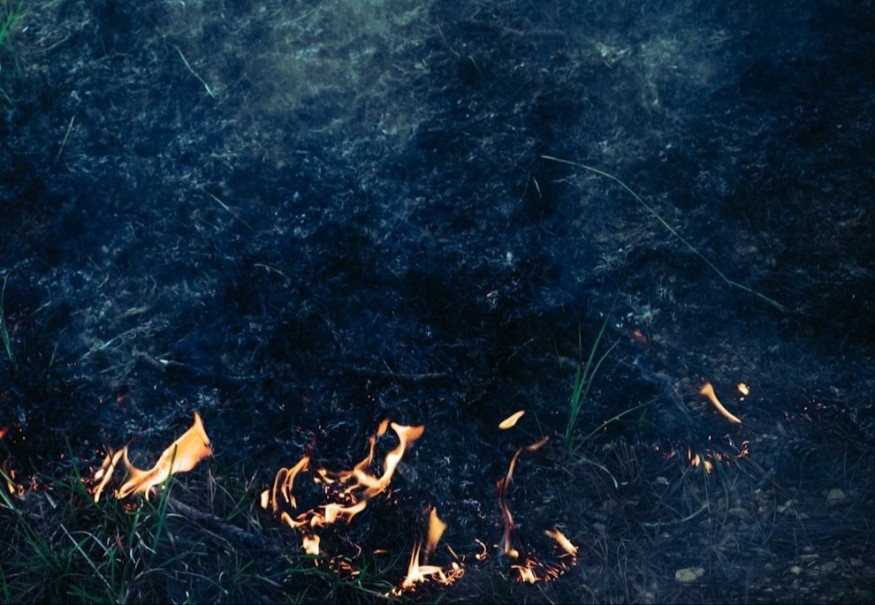
The damage caused by this summer’s wildfire at Sychnant Pass could extend far beyond the blackened landscape, with Bangor University scientists investigating what happened beneath the surface.
Researchers are studying the effects of the fire on soil, carbon stores and biodiversity as part of a wider project examining wildfire damage across the UK.
Sychnant Pass near Conwy is one of the sites being examined by the Bangor University team, alongside areas in the Rhinogydd near Harlech. Both include highly protected habitats.
The research comes after an exceptionally dry summer which saw a number of major wildfires across North Wales. In July, a major incident was declared at Conwy Mountain, with 36 properties evacuated as firefighters battled the blaze in difficult conditions.
Natural Resources Wales also declared drought status across North Wales in July following weeks of hot, dry weather. At the time, North Wales had received less than two per cent of its expected rainfall for the month.
Scientists say the consequences of a wildfire can be difficult to see once the flames have gone.
The Bangor team is comparing areas which burned with nearby unburnt land, measuring changes in soil carbon and nutrients, microbial activity, water repellency and the risk of erosion, as well as looking at changes to plant biodiversity.
At Sychnant Pass, preliminary estimates suggest the fire consumed between 12 and 17 tonnes of carbon per hectare from vegetation, while also burning deeply into the surface litter layer. Researchers have also observed significant losses of soil organic matter.
Professor Davey Jones, who is leading the research, says soil plays an important role in storing carbon, filtering water and supporting the plants and wildlife found across the countryside.
The team is particularly interested in what happens after a wildfire. Rainfall, erosion and the return of vegetation can quickly alter the evidence left behind by a fire, which is why researchers have been collecting samples as soon as possible.
The study is also looking at whether some types of landscape are better able to recover than others.
That could be particularly important in Conwy County, where the mountains and uplands around areas such as Sychnant Pass form part of a wider landscape of environmental and ecological importance.
The effects of this summer’s fires have also highlighted the pressures placed on emergency services. During the Conwy Mountain fire, North Wales Fire and Rescue Service warned that the scale and complexity of the incident meant operations would continue for some time, while people were asked to stay away to allow crews to work safely.
Researchers will return to their study sites six, 12 and 24 months after the fires to see how the soil, vegetation and wider ecosystem recover.
The work is being carried out with organisations including Natural Resources Wales, the Forestry Commission, National Park authorities and fire and rescue services.
The researchers say the findings could help land managers and emergency services understand the longer-term consequences of wildfire and improve efforts to protect habitats, water supplies and land from erosion.
With extreme heat and dry conditions increasing the risk of wildfire, the Bangor team says building a better understanding of what happens after the flames have gone will be important in preparing for future summers