November 12, 2026 - 256 views
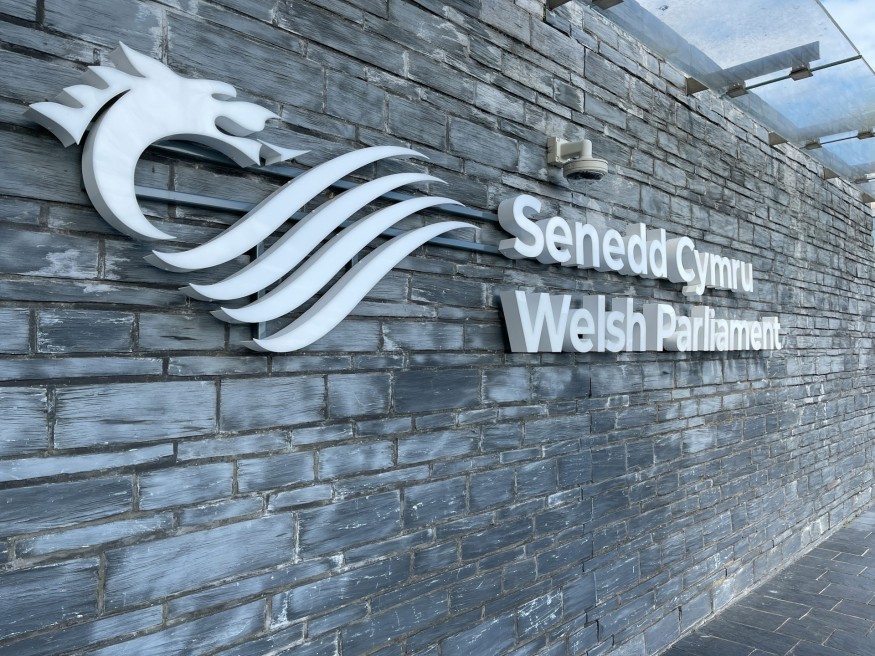
A call for a full, independent public inquiry into how the Covid-19 pandemic was handled in Wales has been rejected by the Senedd, following a debate which exposed divisions over how bereaved families should receive answers about what happened.
The Welsh Conservatives' motion, calling for a statutory, judge-led inquiry with powers to compel witnesses to give evidence, was defeated by 41 votes to 38, with eight members abstaining.
Welsh Conservative leader Darren Millar accused Plaid Cymru of abandoning families who lost loved ones during the pandemic, pointing to previous commitments by senior Plaid figures, including current Health Minister Mabon ap Gwynfor, who had argued that Wales needed its own independent inquiry.
In a speech in February 2024, Mr ap Gwynfor described a separate Welsh inquiry as a "democratic and moral imperative", arguing that the UK-wide investigation could not examine every aspect of the pandemic in Wales.
However, Plaid Cymru's position changed ahead of this year's Senedd election. Its manifesto promised a more targeted review of Wales's Covid response, focusing on issues specific to Wales and questions not adequately covered by the UK inquiry.
That is now the approach being pursued by the Welsh Government, which announced on November 3 that an independent Wales Covid-19 Review Panel would be established.
The Government says the intention is not to avoid scrutiny, but to build on evidence already gathered through the UK inquiry and concentrate on whether its recommendations have been acted upon and whether Wales is better prepared for another pandemic.
The review will be chaired by Professor Daniel Wincott of Cardiff University and will focus particularly on health and adult social care. It will examine the implementation of recommendations from the UK inquiry, previous committee reports and resilience exercises, with the ability to investigate areas where evidence is incomplete or further questions remain.
The panel will be independent of government direction in its approach, findings and conclusions, and will report publicly. It is expected to complete its work by March 2029.
However, there is an important difference between the proposed review and the statutory public inquiry demanded by the Conservatives and Covid-19 Bereaved Families for Justice Cymru.
The new review will not have the statutory powers to compel witnesses to attend or give evidence. Critics say that could limit its ability to establish a full account of decisions taken by ministers and public bodies during the pandemic.
Mr Millar argued that families deserved answers about issues including hospital-acquired infections, the discharge of patients into care homes, testing, vaccination and the impact of school closures.
He said the UK-wide inquiry could not provide the detailed examination of Welsh decision-making that people in Wales deserved.
The Welsh Government defended its alternative approach during Wednesday's debate. Cabinet Minister for Government Effectiveness and the Constitution, Dafydd Trystan Davies, said the decision was not based on opposition to investigating what happened, but on the amount of work already undertaken by the UK inquiry.
He pointed out that several reports had already been published, with further investigations continuing, and said it made sense to use that evidence rather than duplicate an extensive process.
He also raised concerns about the cost and timescale of public inquiries, citing the £58 million already spent on the Scottish Covid inquiry and criticism of inquiries more generally for taking too long and failing to ensure recommendations are implemented.
The Government's argument is that a review focused on practical improvements could provide a more proportionate way of ensuring lessons are learned, rather than commissioning another wide-ranging investigation.
Mr Davies also acknowledged the disappointment felt by bereaved families and said he wanted them to participate in the new review, promising that the Government would do what it could to facilitate their involvement.
The debate reflects a wider question about what families should expect from the next stage of scrutiny: whether the priority should be a comprehensive investigation with the legal powers to compel evidence, or a more focused examination of what has already been established and what needs to change.
The UK Covid-19 Inquiry has already examined decisions taken across all four nations, including the Welsh Government's response, and has published findings identifying shortcomings in areas such as hospital discharge guidance, infection prevention training in care homes and financial support for the social care sector.
The Welsh Government has published responses to several of the inquiry's reports and says it is working to implement the recommendations.
For families who have campaigned for a separate Welsh inquiry, however, the question remains whether the new review will provide the level of independent scrutiny, accountability and answers they have been seeking.
The Senedd also rejected alternative amendments during Wednesday's proceedings, meaning no formal motion on the issue was agreed.