September 12, 2026 - 208 views
A North Wales mountain rescue team is calling for a serious conversation about safety in Eryri after recording its busiest month for callouts.
The team responded to 59 incidents during August, including prolonged rescues in darkness and poor weather, serious injuries and heat-related incidents.
Volunteers also dealt with people who had become stuck in difficult terrain, as well as incidents in which people and animals lost their lives.
The team says what concerns it most is the increasing number of people attempting difficult mountain terrain without the experience, equipment or knowledge needed for the conditions they may encounter.
It says the mountains themselves have not suddenly become more dangerous. Instead, more people are visiting them, while the way routes are discovered and accessed has changed.
That is particularly relevant on Yr Wyddfa, which the Eryri National Park Authority says attracts more than 600,000 people each year and is the busiest mountain in Britain. The Park Authority says the popularity of the mountain creates significant challenges around managing visitors, protecting the environment and supporting local communities.
The number of visitors using the mountain's routes is considerable. The National Park's 2025 monitoring figures recorded more than 40,000 passes on the Pyg Track on Saturdays alone, while Crib Goch recorded more than 10,900 Saturday passes. The figures count people passing and re-passing monitoring points, rather than unique visitors.
One of the biggest concerns for rescuers is the growing accessibility of information about challenging routes online.
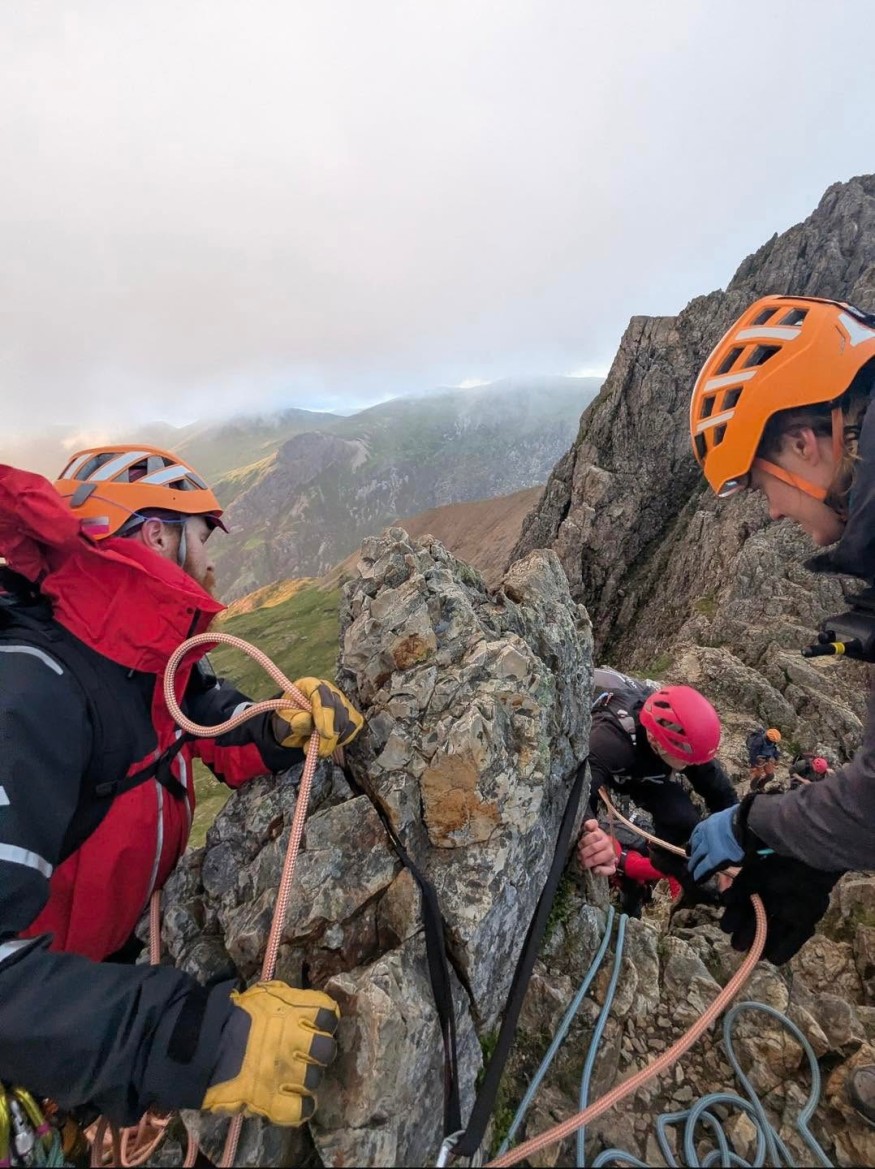
Crib Goch is a particular example. Photographs and videos can make the exposed ridge appear relatively straightforward, but the National Park Authority describes it as a Grade 1 scramble involving the use of hands and feet, steep drops and significant exposure.
The Authority says Crib Goch is not suitable for inexperienced walkers or mountaineers, particularly in wet and windy weather, and warns that people can become stranded on the ridge and require assistance from Mountain Rescue.
The Park Authority also stresses that even the main walking routes to the summit should not be underestimated. The Llanberis Path is regarded as the most gradual route, but is still classified as a hard and strenuous walk requiring a good level of fitness and navigation skills. The Pyg Track is shorter but is described as rocky, difficult and one of the more challenging routes to the summit.
The pressure on rescue teams has been building for several years.
According to figures released by the rescue team, annual callouts have risen from 147 in 2020 to 237 in 2021, 233 in 2022, 308 in 2023, 327 in 2024 and 359 in 2025.
If the current rate continues, the team projects around 440 callouts during 2026.
The scale of the increase has also been recognised by the National Park Authority. In advice issued earlier this year, it said the Llanberis and Ogwen Valley Mountain Rescue teams are among the busiest in the United Kingdom and are already experiencing record numbers of callouts, with some incidents occurring at the same time and placing significant pressure on volunteers.
The rescue team says the answer cannot simply be to provide more Mountain Rescue.
It believes there needs to be a greater emphasis on prevention and personal responsibility, with visitors understanding the terrain they are entering, checking the weather and making sure they have the appropriate skills, fitness and equipment.
The message is not that people should stay away from Eryri. The National Park itself promotes the health and wellbeing benefits of visiting the outdoors and wants people to enjoy the landscape.
But visitors are being urged to recognise that reaching the summit of Yr Wyddfa is a serious undertaking, regardless of which route they choose.
The recognised AdventureSmart advice is to ask three questions before setting off: Do I have the knowledge and skills? Do I know what the weather will be like? And do I have the right gear?
For Mountain Rescue volunteers, the hope is that better preparation and judgement will prevent some incidents from happening in the first place.
Their message is simple: enjoy the mountains, understand the environment you are entering and, if the terrain or conditions don't feel right, turn around.